
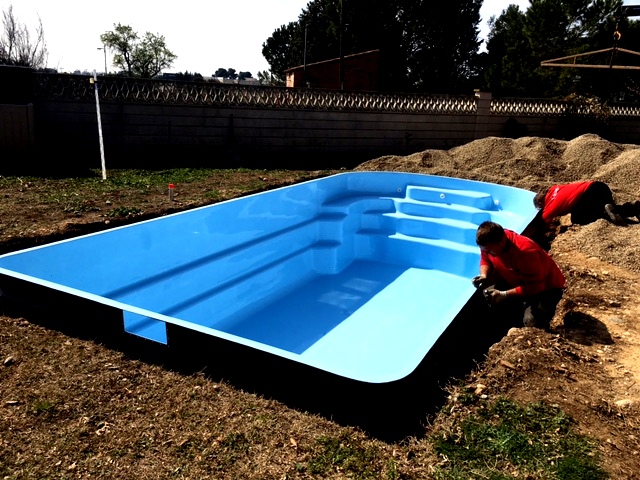
The construction of an 8×4 meter polyester swimming pool on the urban land of a villa in Lleida is a project that requires careful planning and precise execution to ensure that the pool is functional, safe and aesthetically pleasing. Below is a step-by-step process to carry out this construction:
Materials and Tools Needed:
- Prefabricated polyester swimming pool (8×4 meters)
- Gravel and sand for the base
- PVC pipes and fittings for plumbing system
- Pump and filtration system
- Concrete for anchoring
- Digging tools (excavator)
- laser level
- Masonry trowels and tools
- Plumbing and electrical equipment
- Personal protective equipment (PPE)
Steps to Follow:
1. Planning and Permits
- Construction Permits: Obtain all the necessary permits from the Lleida city council for the construction of the pool.
- Land Analysis: Conduct a land survey to ensure it is suitable for pool installation and to identify possible underground obstacles.
2. Preparation of the Area
- Marking the Area: Mark the area where the pool will be installed, making sure there is enough space around it for excavation and access.
- Excavation: Excavate the marked area to a depth suitable to accommodate the pool and gravel base. The excavation should be slightly larger than the pool to allow for installation work.
3. Base Preparation
- Ground Leveling: Make sure the bottom of the excavation is level using a laser level.
- Gravel Layer: Place a layer of gravel of about 15-20 cm at the bottom of the excavation and compact well. This layer will act as a base and allow for good drainage.
- Sand Layer: Add a thin layer of sand on top of the gravel and level it. This layer will help protect the bottom of the polyester pool.
4. Installation of the Polyester Pool
- Pool Placement: With the help of a crane, carefully place the polyester pool in the excavated hole. Make sure it is centered and level.
- Fine Adjustment: Check the level and make fine adjustments to ensure the pool is perfectly level.
5. Plumbing System Connection
- Pipe Installation: Connect PVC pipes to the pool entry and exit points. Make sure all connections are tightly sealed to prevent leaks.
- Filtration System: Install the pump and filtration system in an accessible location and connect the corresponding pipes. Follow the manufacturer’s instructions for correct installation of the equipment.
6. Filling and Anchoring
- Side Fill: Fill the sides of the pool with gravel or sand while simultaneously filling the pool with water to keep the pressure balanced and avoid deformations.
- Anchoring Concrete: Pour a layer of concrete around the top edges of the pool to secure it in place and provide a solid foundation for the pool deck.
7. Finishes and Final Details
- Surround and Decking: Install the pool surround and any surrounding decking areas. This can be materials such as stone, wood or composite.
- Electrical System: Make the necessary electrical connections for the filtration system and any other equipment, such as pool lights. Make sure that all electrical installations comply with safety regulations.
8. Final Filling and Commissioning
- Filling the Pool: Completely fill the pool with water and verify that the filtration system is working correctly.
- Functional Tests: Perform tests to ensure that there are no leaks and that the entire system is working optimally.
Additional Tips:
- Safety: Make sure the pool area meets all safety regulations, including fencing and safety covers if necessary.
- Regular Maintenance: Establish a regular maintenance plan to keep the pool in good condition, including cleaning the filter, adjusting the pH of the water, and checking connections and equipment.
Building a polyester pool in a villa in Lleida is an ambitious project, but by following these steps and with proper planning, you can enjoy a functional and attractive pool in your home.